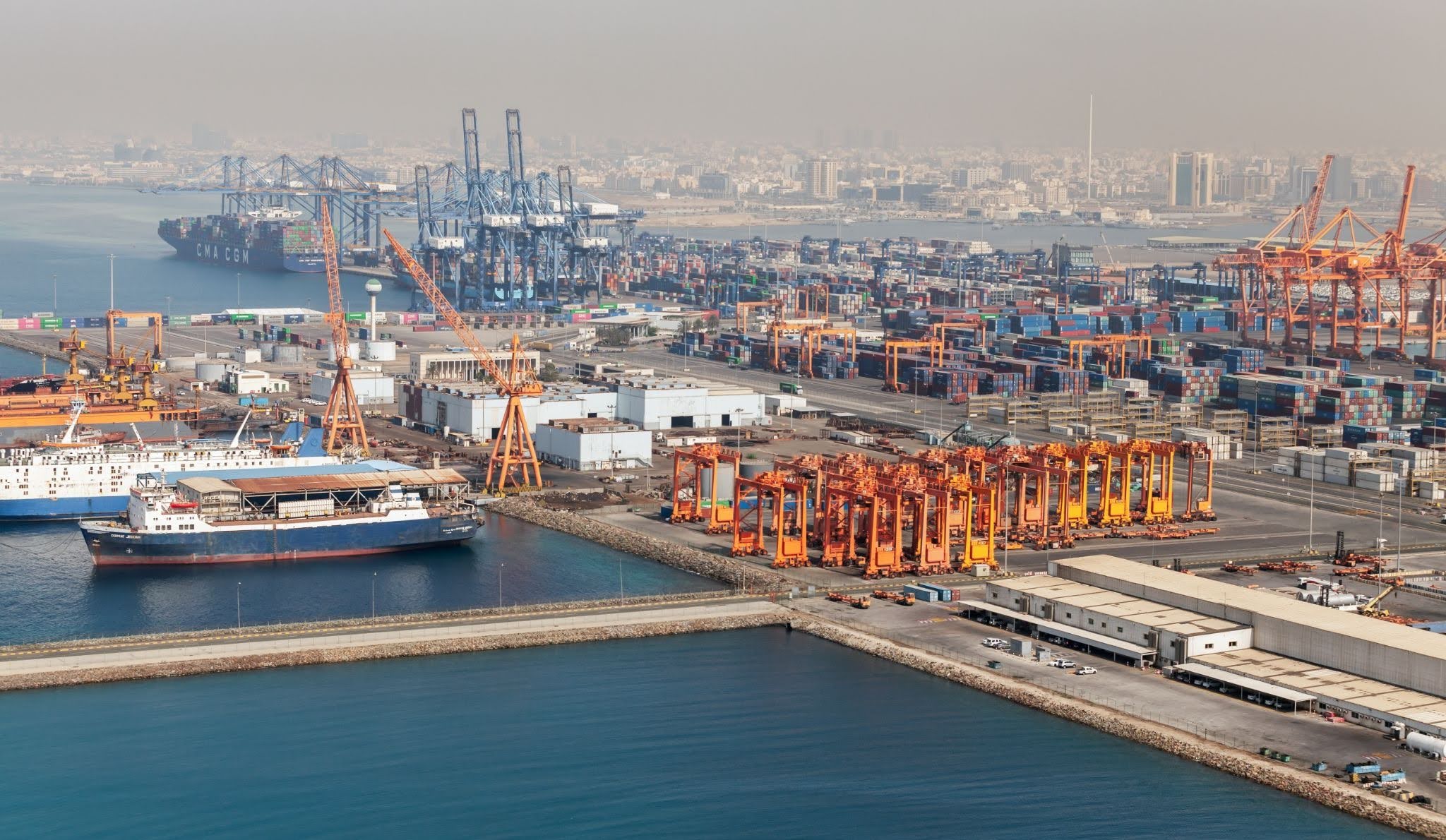
Saudi Arabia sits at the heart of global trade with ports on the Red Sea and the Arabian Gulf handling huge volumes of cargoes every day. For shipowners, this brings strong business but also real risks like demurrage. A single delay at the port can turn into a costly dispute. Smart shipowners learn the rules early and act fast. A good shipping lawyer in Saudi Arabia can protect your money and your time.
This guide explains demurrage while explaining why claims happen in Saudi ports and how you can manage them.
What Is Demurrage?
Demurrage is a charge that a charterer pays when a ship stays at port longer than the agreed time. When you fix a charter, you agree on “laytime”, which is the period the charterer has to load or unload the cargo. If the charterer uses more than that time, demurrage starts to run. In short, demurrage is money the charterer owes the shipowner for the extra delay.
Think of it like a parking meter. You pay for a set time & if you stay longer, you pay a penalty. Demurrage works in a similar way for ships and cargos.
The charter party sets the demurrage rate, which is usually a fixed amount per day. The longer the delay, the higher the bill. For large vessels, this cost can grow really fast.
Why Demurrage Disputes Happen in Saudi Ports
Saudi ports run with busy schedules. Many factors can slow a ship down, and each one can trigger a dispute. As per the best lawyers in Saudi Arabia, some of the common causes include:
- Port Congestion: Busy terminals make ships wait for a berth. The question then becomes who pays for that wait.
- Slow Cargo Operations: Delays in loading or unloading push the ship past its laytime.
- Documentation Delay: Missing or wrong paperwork can hold a vessel at port.
- Customs and Inspection Delays: Checks by local authorities can add hours or days.
- Weather and Tides: Bad weather can stop port work and start arguments over who carries the cost.
Each delay raises one big question: Did laytime keep running, or did it stop? Charter parties often contain “exceptions” that pause laytime in certain cases. Both sides read these clauses in their own favor & that is where most demurrage fights begin, requiring the expertise of an international maritime lawyer in Saudi Arabia.
The Role of the Statement of Facts and Laytime Calculation
To win or defend a demurrage claim, you need clear documents that matter.
- Statement of Facts: The ship’s agent and master prepare a record of every key event at port, hour by hour. It shows when the ship arrived, when it gave notice of readiness, when work started, and when it stopped.
- Laytime Calculation: This document uses the Statement of Facts to count how much laytime the charterer used. It then shows how many days of demurrage the charterer owes.
If your records are accurate, you stand on solid ground. If they are incomplete, the other side will attack them. An admiralty and maritime lawyer can review these documents and advise the weak points before they cost you.
Notice of Readiness: A Common Trap
The Notice of Readiness, or NOR, often decides a demurrage case. The NOR tells the charterer that the ship has arrived and stands ready to load or unload. Laytime usually starts after the charterer receives a valid NOR.
If the ship is not truly ready, or if you serve the NOR at the wrong time or place, the charterer can reject it. A bad NOR can delay the start of laytime by hours or even days. That delay can wipe out a large part of your claim.
Always check the charter party rules on when and how to serve the NOR. When in doubt, ask an international maritime lawyer to confirm the right steps.
How to Manage and Recover Demurrage Claims
You can take clear steps to protect your position and recover what you are owed.
First, keep strong records from the moment the ship arrives. Save the NOR, the Statement of Facts, time logs, emails, and photos.
Second, most charter parties set a strict time limit to present a demurrage claim. If you miss that deadline, you can lose the right to claim at all.
Third, send a clear and complete claim. Include your laytime calculation and all supporting documents.
Fourth, try to settle when it makes sense. Many demurrage disputes end in negotiation. A fair settlement saves time and legal costs for both sides.
Fifth, know your forum properly. Your charter party may call for arbitration or court action in a specific place. Saudi law and local port rules may also apply. An admiralty lawyer in Saudi Arabia who knows the Kingdom’s maritime law can guide you to the right path.
Why Local Legal Knowledge Matters
Saudi Arabia has its own laws, courts, and port practices. International rules and charter party terms still apply, but local procedure shapes how a claim moves forward.
A lawyer in Saudi Arabia who understands both worlds gives you a real edge. Note also that maritime rules and port regulations can change over time, so always confirm the current position before you act on an old claim.
The right legal team helps you draft strong charter terms, calculate laytime correctly, and enforce your claim in the proper forum. This support turns a stressful dispute into a clear plan.
Protect Your Claims With SB Saudi Lawyers!
Demurrage claims move fast, and small mistakes cost real money. At SB Saudi Lawyers, our team includes experienced shipping lawyers and a skilled admiralty and maritime lawyer who serve clients across the Kingdom.
As trusted lawyers in Saudi Arabia, we guide shipowners through laytime disputes, NOR issues, and claim recovery in both arbitration and court. Whether you need an admiralty lawyer to review a charter party or an international maritime lawyer to enforce a claim, we stand ready to help.
Contact our offices in Al Khobar or Riyadh today and let us protect your interests while you keep your fleet moving.