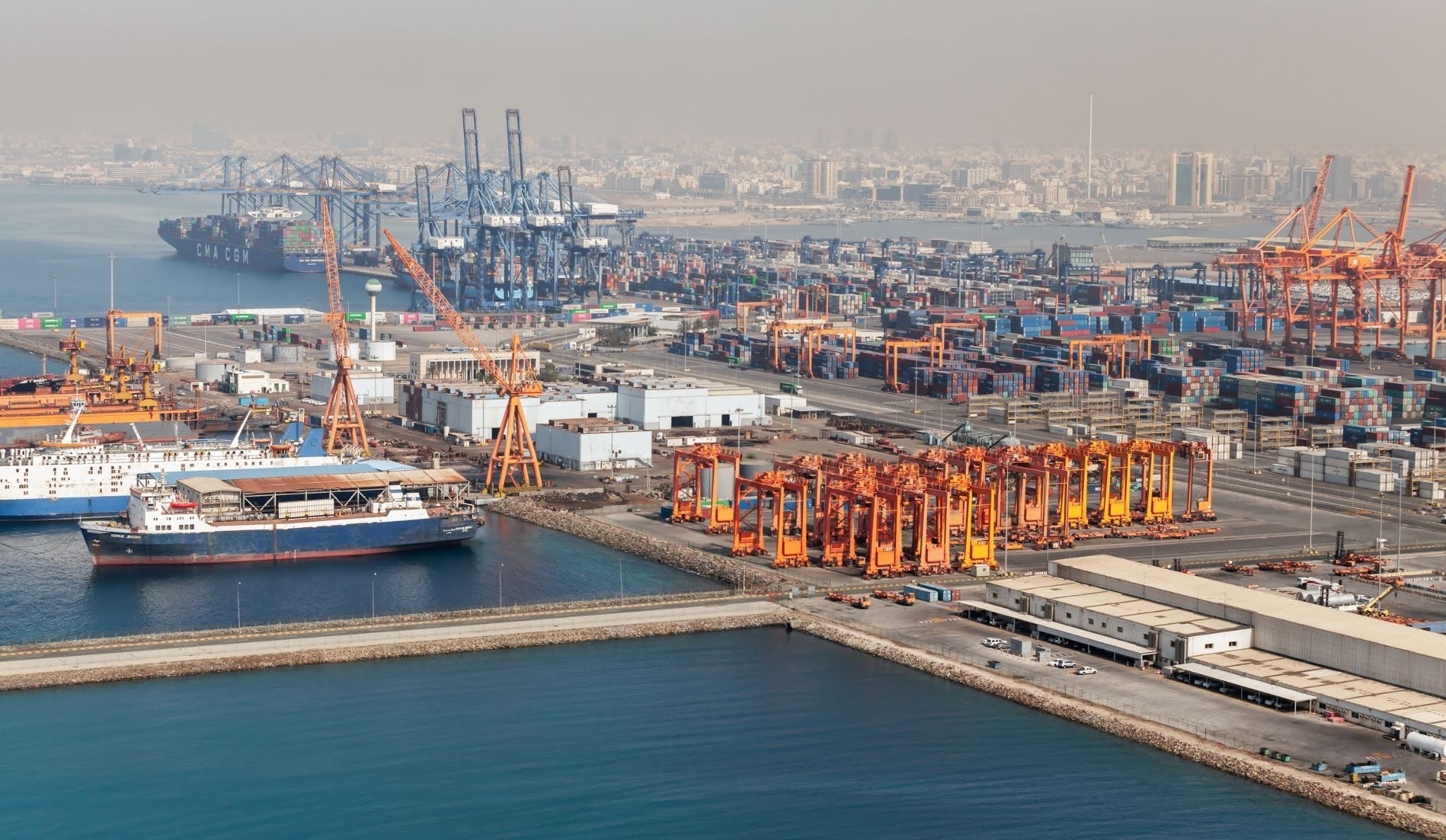
Saudi Arabia plays an important role in regional and international shipping. With strategic access to major trade routes and growing investments in logistics and maritime infrastructure, Saudi ports continue to support global cargo movement, energy transport, imports, and exports. For maritime businesses, this growth creates strong opportunities, but it also brings legal and regulatory responsibilities, with the support of the best lawyers in Saudi Arabia.
Shipping companies, freight operators, logistics providers, vessel owners, marine contractors, and cargo businesses must follow several legal and operational requirements when working through Saudi ports. Regulatory compliance affects daily operations, business continuity, safety standards, customs procedures, contracts, and financial planning.
Businesses that understand compliance requirements early often avoid costly delays, penalties, disputes, and operational disruptions.
Why Regulatory Compliance Matters in Saudi Ports
Maritime businesses operate in a highly regulated environment because shipping affects trade, security, environmental protection, customs control, and public safety.
Saudi ports manage large volumes of cargo movement, vessel traffic, and commercial activities. Because of this, authorities require businesses to follow operational standards that support efficiency and lawful trade practices. Regulatory compliance helps businesses:
- Reduce operational risks
- Avoid unnecessary legal disputes
- Maintain smooth cargo movement
- Support customs and trade requirements
- Improve business continuity
- Strengthen trust with commercial partners
Companies that treat compliance as part of their business strategy usually face fewer interruptions and better operational consistency.
Understanding Port Regulations Before Operations Begin
Before maritime businesses begin operations in Saudi Arabia, they must understand the legal framework, with the support of the shipping lawyers who govern shipping activity.
Many businesses assume that procedures remain identical across countries, but maritime compliance often changes from one jurisdiction to another. What works in one country may not satisfy requirements in Saudi ports.
Businesses should evaluate several operational areas before entering the market:
- Vessel documentation requirements
- Cargo handling rules
- Port access permissions
- Customs obligations
- Environmental expectations
- Safety and inspection standards
- Contractual responsibilities with shipping partners
Many companies seek legal guidance from experienced lawyers in Saudi Arabia to better understand commercial obligations before starting maritime activities.
Managing Licensing and Documentation Requirements
Documentation forms an important part of maritime compliance. Shipping businesses often manage large volumes of legal and operational paperwork linked to cargo, vessel operations, customs procedures, insurance, ownership, and transportation agreements.
Incomplete records or incorrect documentation may create delays, inspections, financial losses, or legal complications.
Maritime businesses usually maintain internal systems to monitor documentation and operational compliance. Teams often review approvals, permits, commercial agreements, shipping documents, and inspection requirements on a regular basis.
Businesses that maintain organized documentation usually experience fewer disruptions in port operations. A skilled shipping lawyer in Saudi Arabia may help businesses review legal obligations tied to shipping contracts, transport arrangements, and maritime commercial activities.
Customs and Cargo Compliance Require Careful Planning
Saudi ports handle cargo movement under customs and commercial trade regulations. Maritime companies should understand import and export requirements before moving goods through port facilities.
Incorrect filings, inaccurate cargo details, or missing approvals may delay shipments and increase operational costs.
Maritime businesses often coordinate closely with logistics providers, customs specialists, freight handlers, and legal advisors in Saudi Arabia to improve operational efficiency. Businesses should focus on:
- Cargo accuracy and reporting
- Customs-related documentation
- Commercial shipment requirements
- Compliance with trade procedures
- Timely filing and approvals
Careful planning helps businesses reduce delays while supporting smooth cargo handling.
Companies involved in international operations sometimes consult an international maritime lawyer to better understand legal responsibilities that affect cross-border shipping and commercial transport.
Environmental and Safety Compliance Plays a Major Role
Environmental responsibility continues to shape maritime regulation around the world. Saudi ports also expect maritime businesses to follow environmental and operational safety standards.
Shipping companies must consider how their operations affect marine environments, cargo handling practices, workplace safety, and vessel operations.
Businesses should maintain clear operational systems that support safety and legal compliance, such as:
- Internal operational procedures
- Risk management planning
- Safety inspections
- Incident reporting systems
- Employee training programs
- Equipment monitoring
Maritime businesses that prioritize safety often reduce disruptions while improving operational performance. Compliance should not remain limited to inspections. Companies should build safety standards into everyday business operations.
Strong Contracts Help Maritime Businesses Stay Protected
Maritime operations depend heavily on contracts. Shipping agreements, freight contracts, cargo handling arrangements, vendor relationships, insurance documents, and logistics partnerships all affect business performance.
Poor contract management often increases disputes and financial exposure. Businesses should review commercial agreements carefully and clearly define:
- Service expectations
- Payment obligations
- Liability responsibilities
- Delivery conditions
- Risk allocation
- Dispute handling procedures
- Contract termination terms
Strong agreements improve business clarity and support better commercial relationships. An experienced admiralty and maritime lawyer often helps businesses review agreements to reduce misunderstandings and strengthen legal protection.
Preparing for Maritime Disputes Before They Happen
Even well-managed operations sometimes face disputes. Shipping delays, damaged cargo, payment disagreements, contractual conflicts, insurance claims, and liability concerns may affect maritime businesses.
Companies that prepare for legal risks early usually handle disputes more efficiently. Businesses should avoid waiting until problems arise. Preventive legal planning often protects operations and reduces long-term costs.
An experienced admiralty lawyer in Saudi Arabia may support businesses dealing with shipping disputes, cargo disagreements, commercial risks, or maritime legal concerns.
Need Support with Maritime Compliance in Saudi Ports? SB Saudi Lawyers Can Help!
Managing maritime operations in Saudi Arabia requires more than commercial planning. Businesses need legal clarity, structured agreements, compliance support, and practical guidance that aligns with shipping regulations and commercial requirements.
At SB Saudi Lawyers, the best law firm in Saudi Arabia, we help maritime businesses understand legal requirements, review shipping agreements, assess regulatory risks, and support commercial operations linked to Saudi ports. Whether you need support from an international maritime lawyer, a shipping lawyer, or an admiralty and maritime lawyer, our team provides practical legal guidance for businesses that want to operate with greater confidence and clarity in Saudi Arabia.