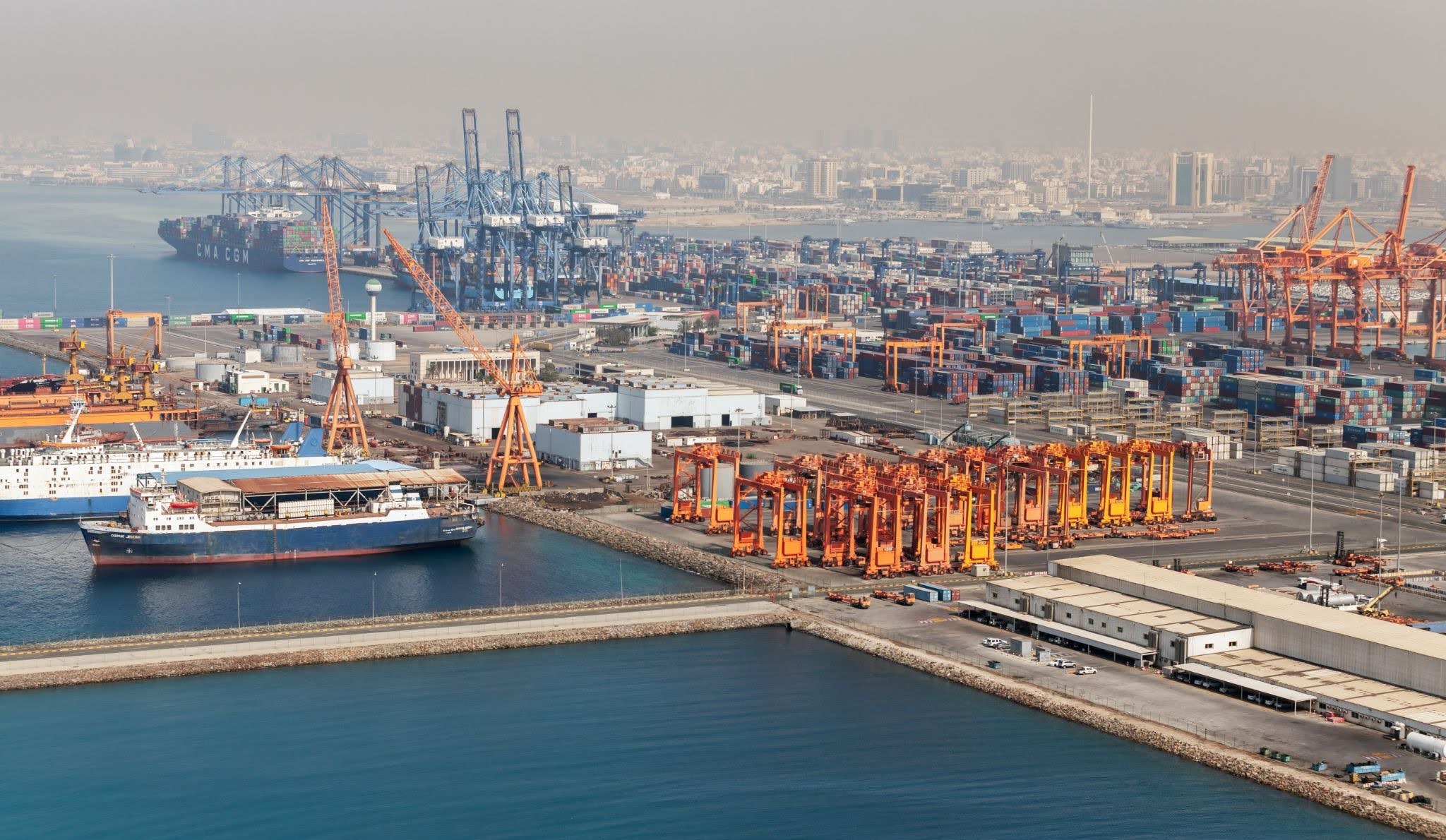
Saudi Arabia now gives foreign investors two clear routes into its market. You can set up on the mainland and trade across the whole Kingdom, or you can set up inside a Special Economic Zone (SEZ) and enjoy lower taxes and lighter customs rules. Each route suits a different kind of business, and the wrong choice can hold back your growth for years.
This guide compares both options in a simple manner, so you can plan your company formation in Saudi Arabia with confidence and pick the route that fits your goals.
What Is a Mainland Company in Saudi Arabia?
A mainland company operates under the general Saudi legal system. It is registered with the Ministry of Investment (MISA) and the Ministry of Commerce, and it can serve customers anywhere in the Kingdom.
Most foreign investors choose a limited liability company for a company setup in Saudi Arabia on the mainland. In many sectors, you can now own the whole company yourself.
Our guide on fully foreign-owned companies in KSA explains how that works, and our article on commercial registration walks you through the paperwork.
What Is a Special Economic Zone?
An SEZ is a defined area where special rules on tax, customs, and hiring apply. The Economic Cities and Special Zones Authority (ECZA) runs the program. In 2023, the Kingdom launched four new zones: King Abdullah Economic City (KAEC), Ras Al-Khair, Jazan, and the Cloud Computing SEZ in Riyadh. These joined the Special Integrated Logistics Zone, which also sits in Riyadh.
Each zone targets certain industries. KAEC focuses on logistics, pharmaceuticals, and automotive supply chains. Ras Al-Khair serves maritime industries and shipbuilding, Jazan supports food processing and metals, and the Cloud Computing SEZ hosts data centres and cloud providers.
Do I Still Need a Saudi Investment License?
Many investors still search for a Saudi investment license, but the rules have changed. The new Investment Law took effect in February 2025, and it replaced the old license with a simpler registration with MISA. Foreign investors now register each investment before they start trading.
Some activities still carry limits for foreign investors. Ask your lawyer in Saudi Arabia to check the current position for your sector before you plan anything else.
How Do the Tax Rules Compare?
Tax often decides the choice. On the mainland, a foreign-owned company pays corporate income tax at 20% on its foreign share, while Saudi and GCC owners pay Zakat on their share. Withholding tax also applies when you send profits abroad. Our guide to Zakat and tax for foreign businesses explains these rules in detail.
In KAEC, Ras Al-Khair, and Jazan, ECZA offers corporate income tax at 5% for up to 20 years, 0% withholding tax when you send profits abroad, and 0% VAT on goods you trade within and between zones. The Cloud Computing SEZ follows its own special tax rules. Each zone attaches conditions to these benefits, and rates can change, so confirm the latest figures with ECZA or your advisor.
Where Can I Sell My Products and Services?
A mainland company can sell to any customer in the Kingdom without extra steps. That freedom matters if you plan to serve Saudi shoppers, run shops, or offer services in major cities.
SEZ companies usually focus on manufacturing, logistics, and export. When your goods leave a zone and enter the local market, customs duties and VAT can apply. Ask your lawyer in KSA how your zone treats local sales before you commit.
How Do Ownership and Company Structure Differ?
The mainland gives you more choice. You can form a limited liability company, a joint stock company, or a branch of your foreign company. The new SEZ rules, which came into force in April 2026, generally require zone companies to take the form of a limited liability company.
When you are setting up a company in Saudi Arabia, your structure shapes your liability, your tax, and how easily you can bring in new partners later. Choose it with care.
How Do Hiring Rules Compare?
Mainland companies must meet Saudization targets under the Nitaqat program. Your quota depends on your sector and the size of your workforce.
SEZs offer more flexible labour rules, including exemptions from certain expatriate levies in the early years. If you plan to bring in many skilled foreign workers, this difference can lower your costs.
Which Option Suits My Business?
For any business setup, Saudi Arabia now offers a real choice. The mainland zone suits retail, consumer brands, professional services, and any business that needs to reach customers across the country. An SEZ suits manufacturers, logistics firms, exporters, and cloud providers that fit a zone’s target sectors.
Some groups run one entity inside a zone for production and another on the mainland for local sales. Ask your lawyer in Saudi Arabia whether that model makes sense for your plans.
Why the Right Choice Matters
Investors who compare both routes early understand their tax, market access, and hiring costs before they sign anything. They build a structure that supports their growth instead of one that fights it.
Investors who rush often find that their zone blocks their local sales, or that their mainland entity pays more tax than it needs to. Before you commit to setting up a company in Saudi Arabia, review our list of questions to ask your business setup lawyer.
Choose the Right Route. Talk to SB Saudi Lawyers Today.
You do not have to weigh the mainland against SEZ on your own. At SB Saudi Lawyers, we help foreign investors compare both routes and choose the one that fits their sector, budget, and growth plans.
We handle every step of company formation in Saudi Arabia, from MISA registration (what many investors still call a Saudi investment license) to commercial registration, tax planning, and ongoing compliance. Contact SB Saudi Lawyers in Al Khobar or Riyadh today, and let us set your business on the right path from day one.
Frequently Asked Questions
How long do the SEZ tax incentives last?
In KAEC, Ras Al-Khair, and Jazan, the reduced 5% corporate income tax rate lasts for up to 20 years. ECZA sets conditions for each zone, so your lawyer should confirm how long your company qualifies.
Can an SEZ company sell to customers in the Saudi local market?
That depends on your zone’s rules, and customs duties and VAT can apply once goods leave the zone. Check your zone’s rules early, because local sales can change your whole cost picture.
Can I switch from the mainland to an SEZ later?
A switch usually means restructuring or forming a new entity, which costs time and money. Plan your company setup in Saudi Arabia around your long-term goals, and ask your lawyer what a later move would involve.
Which SEZ suits a logistics or shipping business?
KAEC and the Special Integrated Logistics Zone focus on logistics, while Ras Al-Khair serves maritime industries and shipbuilding. A lawyer who knows business setup, Saudi Arabia rules, and the maritime sector can match your operations to the right zone.