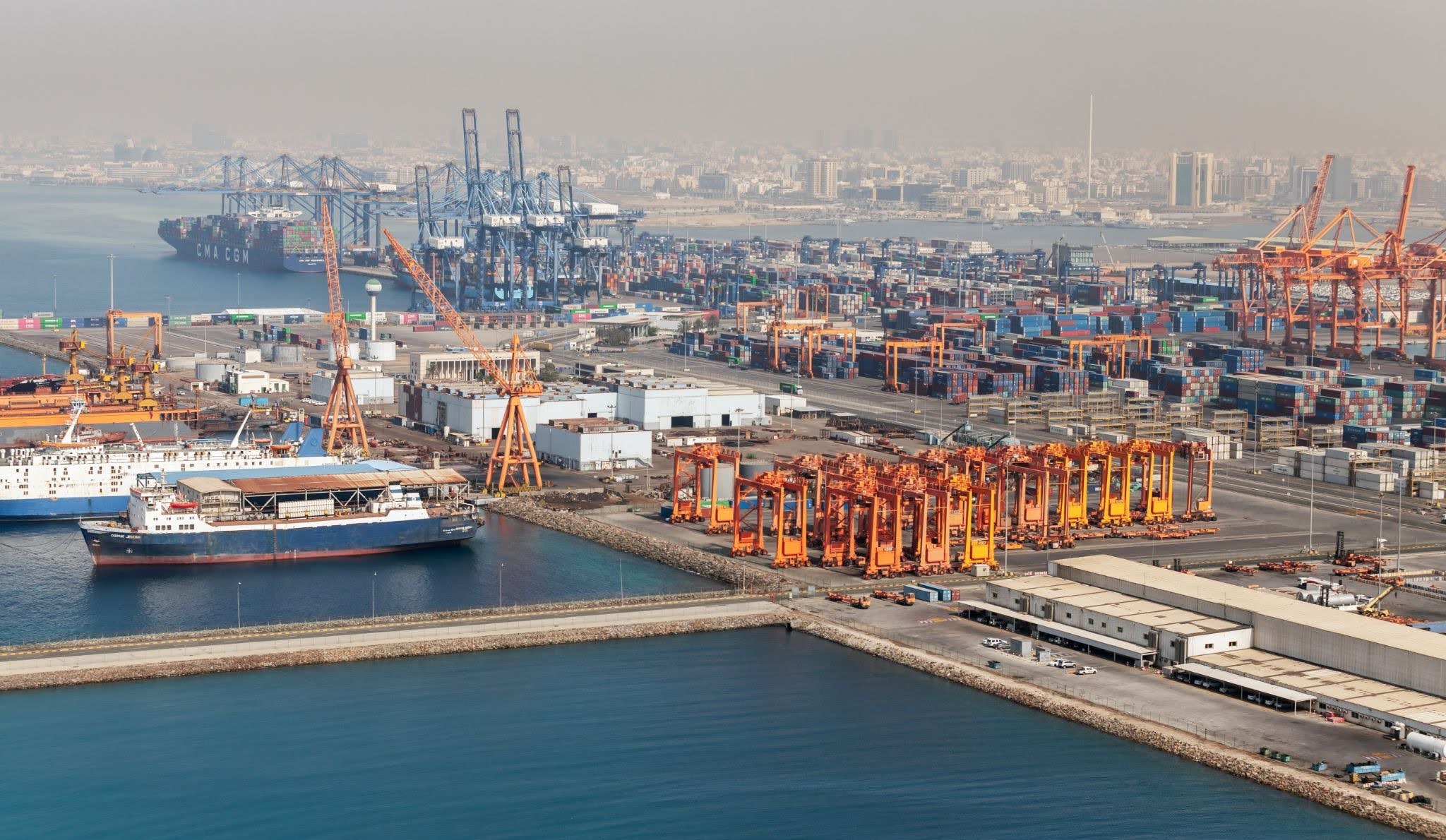
Maritime claims in Saudi ports rarely stay simple. A damaged container, a delayed discharge, or a berth collision can pull shipowners, charterers, cargo owners, terminal operators, and insurers into a single dispute.
Each party protects its own interests, and each contract may point to a different law and forum. Businesses that plan their strategy early and work with experienced maritime lawyers resolve these claims faster and protect more of their commercial value.
This guide explains practical strategies that help businesses handle complex maritime claims in Saudi ports with confidence.
Understand What Makes Maritime Claims Complex
A single cargo claim can involve the shipper, the carrier, the freight forwarder, the stevedore, the terminal operator, and several insurers. Every party relies on its own contract, and these contracts often name different governing laws and dispute forums.
Saudi maritime rules govern many disputes in Saudi ports, but international conventions and foreign-law clauses in bills of lading and charter parties can also affect the outcome.
Practical pressures add to the difficulty, as detention costs grow daily, short-time cargo loses value, and strict notice deadlines limit your time to act. An experienced admiralty and maritime lawyer maps these overlapping rights and duties before you commit to a strategy.
Assess the Claim Before You Act
A detailed assessment from the best lawyers in Saudi Arabia gives you a clear picture of your position before you send a demand or file a case. Your review should identify:
- Every party that may bear liability
- The contract terms that govern each relationship
- The applicable law and the agreed forum
- The notice periods and limitation deadlines
- The evidence you hold and the evidence you still need
This review shows you which route offers the strongest result. Many maritime law firms also check the counterparty’s financial strength at this stage, because a favorable award means little if the other side cannot pay.
Secure Evidence Early
Maritime evidence disappears quickly because vessels sail, crews rotate, receivers clear cargo, and terminals overwrite their records. Appoint independent surveyors as soon as you learn of the loss, and ask them to inspect the damaged cargo or vessel.
Collect the bills of lading, charter parties, mate’s receipts, logbooks, temperature records, and all related correspondence. Then build a timeline that links each document to the correct stage of the voyage.
Joint surveys with the opposing party also reduce later arguments about the cause and extent of the damage. This guide on how freight forwarders can reduce liability for cargo damage explains practical record-keeping steps in more detail.
Protect Your Claim Through Vessel Arrest
Securing the other party’s assets often matters as much as proving liability. Ship arrest gives claimants one of their strongest tools in complex disputes. When a claimant arrests a vessel, the owner usually provides security, such as a bank guarantee or a P&I Club letter of undertaking, to obtain the vessel’s release.
An experienced admiralty lawyer checks whether your claim supports an arrest, prepares the application, and leads the release negotiations. Speed matters here, because a vessel can leave Saudi waters within hours. You can learn more in this article on ship arrest and cargo claims.
Choose Between Litigation and Arbitration
Your choice of forum affects the cost, speed, and enforceability of the outcome, so you need to weigh both main routes carefully.
Litigation Before Saudi Courts
Court proceedings suit claims that need court-ordered measures, such as vessel arrest, and disputes where the parties never agreed to arbitrate. Courts can also hear claims against parties outside the arbitration clause, which helps in multi-party disputes.
Maritime Arbitration
Many charter parties and shipbuilding contracts include arbitration clauses. Arbitration offers confidentiality, flexible procedures, and the option to appoint arbitrators who understand shipping.
Saudi Arabia is a party to the New York Convention, which supports the recognition of foreign arbitral awards, subject to the conditions of Saudi law. You can read more about how commercial arbitration works under Saudi law and whether foreign awards can be recognized and enforced.
A skilled shipping law firm reviews the dispute resolution clause in each contract, confirms which route applies, and considers whether you can bring related claims together. Dedicated litigation and arbitration support helps you start in the right forum from day one.
Use Negotiation and Mediation Strategically
A full hearing does not suit every dispute. Structured negotiation and mediation often resolve complex claims faster and at a lower cost, especially when the parties value a long-term commercial relationship. P&I Clubs and hull insurers usually play a central role in these talks, since they often fund both the defense and the settlement.
A well-documented claim strengthens your hand at the negotiating table. When the other side sees clear evidence and a credible plan to arrest or litigate, it often chooses to settle on reasonable terms.
Coordinate Multi-Party and Cross-Border Claims
Complex claims often cross borders, since a shipper in Asia, a carrier in Europe, and a receiver in Saudi Arabia may all hold contracts that name different laws and forums. Back-to-back contracts let you pass liability down the chain to the party that actually caused the loss.
You also need to coordinate parallel proceedings carefully so that findings in one forum do not weaken your position in another. Maritime lawyers with international networks manage these cases across several jurisdictions at once.
Prevent Disputes Through Strong Contracts
The strongest dispute strategy starts before any claim arises. Your charter parties, bills of lading, and service agreements should define each party’s duties, liability limits, claim deadlines, governing law, and dispute forum. A contract lawyer can tighten these terms, and a review of your insurance cover helps you close gaps before a loss occurs.
Maritime regulations and port procedures change over time, so review your contracts and compliance processes regularly.
Resolve Complex Maritime Claims With SB Saudi Lawyers!
Complex maritime claims demand quick action, strong evidence, and a strategy that fits the facts of each case. At SB Saudi Lawyers, our team of maritime lawyers handles cargo claims, demurrage disputes, vessel arrests, and maritime arbitration across the Kingdom.
As one of the trusted maritime law firms in Saudi Arabia, we help shipowners, charterers, freight forwarders, and cargo owners protect their rights and recover their losses. Contact SB Saudi Lawyers in Al Khobar or Riyadh today, and let our admiralty and maritime lawyers build a clear path to resolving your claim.